
Signs Your Electrical Panel Needs Replacing
Table of Contents
How to Tell If Your Electrical Panel Is Failing
Why Old Panels Become Dangerous
Signs of a Faulty Consumer Unit You Should Never Ignore
Warning Signs That Need Immediate Attention
When Your Fuse Box Keeps Tripping
What Affects Consumer Unit Replacement Cost
The Importance of Regular Consumer Unit Safety Checks
When to Call a Professional Electrician
Frequently Asked Questions
Last Updated: 13 October 2026
How to Tell If Your Electrical Panel Is Failing
Knowing the signs your electrical panel needs replacing starts with spotting the small warnings before they become serious faults. An electrical panel, often called a consumer unit or fuse box, is the hub that distributes power safely around your property. When it starts to fail, it rarely does so without warning.
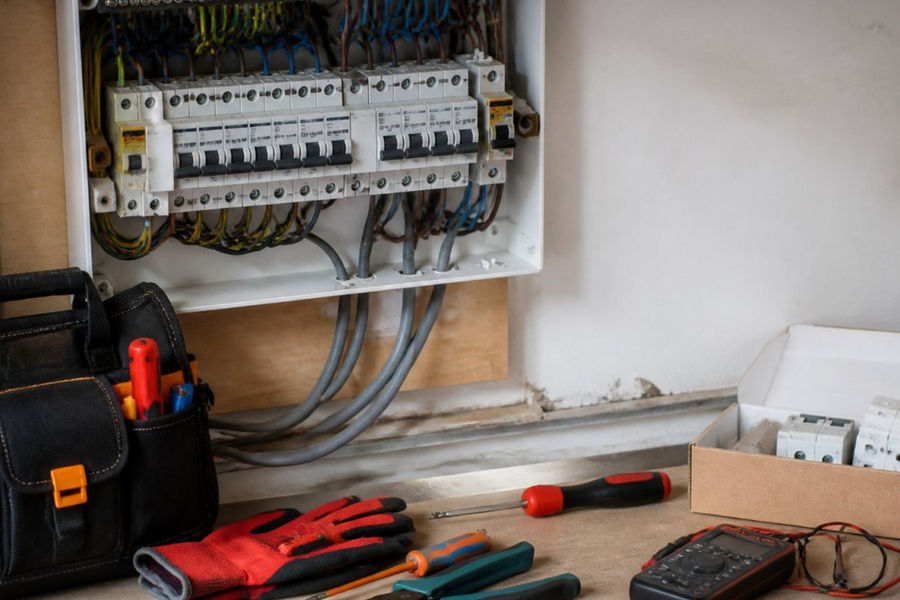
Homeowners often ignore early clues, then face a sudden loss of power or, worse, a fire risk. The good news is that most failing panels announce themselves well in advance.
Below, we break down the warning signs, explain what each one means, and show you when to call a professional.
Why Old Panels Become Dangerous
Old panels become dangerous because the safety technology inside them has moved on. Many properties still run units installed decades ago, long before modern protection standards existed.
The electrical safety guidance from the Health and Safety Executive is clear that ageing installations need regular assessment. Components corrode, connections loosen, and protective devices lose reliability over time. A panel that was perfectly safe in 1985 may no longer meet today's expectations.
The real risk is not the age itself. It is what age does to the parts you cannot see.
Watch Out A common mistake is assuming a panel is fine because the power still works. Panels can run for years with degraded internal components, then fail without notice. The absence of problems is not proof of safety.
Signs of a Faulty Consumer Unit You Should Never Ignore
The clearest signs of a faulty consumer unit include burning smells, scorch marks, buzzing sounds, and breakers that trip constantly. Any one of these means you should stop using the circuit and call a qualified electrician.
Electrical Specialists
Watch for these indicators:
Burning or melting smells near the panel, which point to overheating
Discolouration or scorch marks on the casing or around switches
Buzzing or crackling sounds that continue after you reset a breaker
Physical warmth coming from the panel itself
Flickering lights across multiple rooms at once
Each of these signals suggests the panel is struggling to handle the load. Left alone, the problem tends to get worse, not better.
Warning Signs That Need Immediate Attention
Some signs demand action the same day. If you notice sparks, visible smoke, or a burning smell from the panel, switch off the main supply if it is safe to do so and contact an electrician immediately.
A panel that feels hot to the touch is another red flag. So is any sign of melted plastic or blackened wiring. These point to a fault that could escalate into an electrical fire.
Do not keep resetting a breaker that trips straight away. That behaviour usually means a genuine fault, and repeated resets can make it worse.
When Your Fuse Box Keeps Tripping
A fuse box that keeps tripping is protecting you from a fault, not causing one. The trip is a signal, and the cause needs proper diagnosis.
Repeated tripping usually comes down to one of a few things: an overloaded circuit, a faulty appliance, or a wiring fault inside the installation. A modern consumer unit with residual current devices will trip faster and more often than an old fuse box, which is a good thing, but it also means the underlying issue gets noticed sooner.
Here is how to narrow it down:
Unplug appliances on the affected circuit, then reset the breaker
If it holds, plug items back in one at a time to find the culprit
If it trips with nothing plugged in, the fault is in the wiring itself
If the breaker will not stay on even with everything disconnected, stop and call a professional. That pattern points to a deeper problem that needs testing equipment to trace.
What Affects Consumer Unit Replacement Cost
Consumer unit replacement cost depends on the size of the unit, the condition of the existing wiring, and whether remedial work is needed. There is no single figure that fits every property.
Several factors shape the final price:
Number of circuits the new unit needs to support
Condition of the wiring, since older cables may need attention first
Whether an upgrade to modern protection is required
Access and layout of the existing installation
Any faults found during the initial inspection
We provide a free full inspection before quoting, so you know exactly what is involved. We do not give prices over the phone without seeing the property, because guessing leads to nasty surprises later.
Pro Tip Ask any electrician whether the quote includes testing and certification. A replacement without proper testing and a certificate is not a complete job, and you may struggle to prove compliance later.
The Importance of Regular Consumer Unit Safety Checks
Regular consumer unit safety checks catch problems while they are still cheap to fix. An inspection every few years, or whenever you buy, sell, or rent a property, keeps the installation compliant and safe.
For landlords, an Electrical Installation Condition Report explained by the Electrical Safety Council is a legal requirement at set intervals. The check identifies wear, damage, and anything that no longer meets current standards.
A qualified electrician will test the unit, inspect the wiring, and issue a report. If faults are found, they can usually be fixed on the spot or scheduled as follow-up work.
Check | How Often | Who Needs It |
Visual inspection | Annually | All property owners |
Full EICR | Every 5 years | Landlords and rented homes |
Post-purchase check | On moving in | New homeowners |
Post-fault check | After any trip or fault | Anyone affected |
Skipping these checks saves nothing in the long run. A small fault caught early costs far less than an emergency repair or a fire.
When to Call a Professional Electrician
Call a professional electrician the moment you see any warning sign you cannot explain. Electrical work is not a DIY task, and the risks are serious.
Reach out immediately if you notice:
Burning smells or visible smoke near the panel
Sparks when you use a switch or socket
A breaker that will not reset
Warmth or buzzing from the consumer unit
Any sign of scorching or melted components
At Bright Sparx Electrical, our work is completed by our in-house team and never outsourced. We are Part P Registered and 18th Edition compliant, and all work is certified and insured. That means you get safe, fully tested work and the paperwork to prove it.
Frequently Asked Questions
What are the signs that a consumer unit needs replacing?
Look for fuses instead of circuit breakers, a wooden backing board, scorch marks, or a burning smell. Frequent tripping, flickering lights, and buzzing sounds also point to a failing unit. If your consumer unit is over 25 years old or lacks RCD protection, it likely needs replacing to meet current safety standards.
How long does a consumer unit last?
A modern consumer unit typically lasts 20 to 30 years. Older units with rewireable fuses or no RCD protection should be replaced sooner. Regular consumer unit safety checks by a qualified electrician will confirm whether yours is still safe or due for an upgrade.
Can I replace a consumer unit myself?
No. Consumer unit replacement is notifiable work under Part P of the Building Regulations and must be carried out by a registered electrician. DIY replacement risks serious injury, invalidates home insurance, and fails to meet legal safety requirements. Always use a certified professional.
What should I do if my fuse box keeps tripping?
First, unplug appliances on the affected circuit to identify the cause. If tripping continues, do not ignore it. A fuse box that keeps tripping may indicate a faulty circuit, overloaded system, or damaged wiring. Contact a qualified electrician to diagnose and repair the issue safely.
Electrical faults do not wait for a convenient moment, and a failing panel is one problem you cannot afford to ignore. If any of the signs above sound familiar, do not put it off. Bright Sparx Electrical offers a free full inspection, transparent pricing, and emergency power restoration when you need it most. Get started with Bright Sparx Electrical and put your property back on a safe footing.
CONTACT US

Comments